Almost-Monthly Blogs ⟡ Join the Newsletter ⟡ Free PDFs
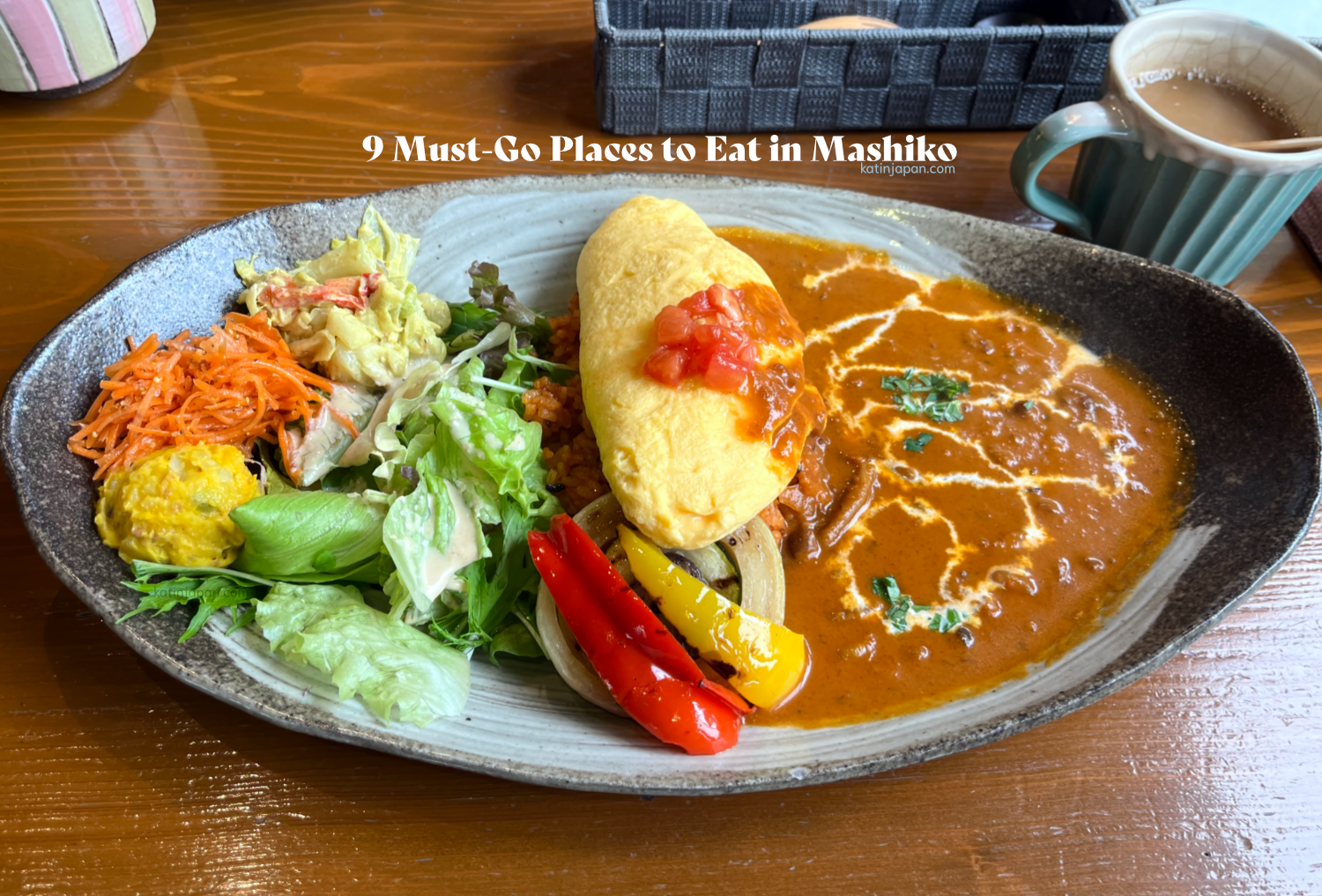

This Fall, we spent lots of time traveling around Mashiko. It’s famous for its Pottery Fair, which is held twice a year. Plus, it has a variety of delightful hidden cafes and delicious local restaurants. And Mashiko coffee is even a popular souvenir.
Living in Tochigi, Mashiko feels like a little getaway destination. Less well-known than Nikko, but brimming with rustic charm, its atmosphere reminds me of Sebastopol or Humboldt, California.
I love how scenic it is, too. Mountain roads, green fields, fluffy white clouds, and dense forests make a peaceful backdrop for this unique little town. Check out my top 9 Must-Go Places to Eat in Mashiko below!
9 Must-Go Places to Eat in Mashiko
1. Mashiko Chaya Cafe and Restaurant カフェレストラン 益子の茶屋
I was really impressed by Mashiko Chaya. I called to make a reservation for an 11 am brunch the next day, and the clerk was incredibly kind and accommodating. And although you don’t need a reservation, I wanted to secure our spot.
Chaya was so much fancier than I expected, yet still felt warm and inviting.
Chaya’s specialty is western-style food, so omelettes, omurice, curry, and western desserts. Of course, they also have some traditional Japanese fare, like soba. It’s located about 5 minutes by car from the Mashiko Pottery Cooperative Selling Center.
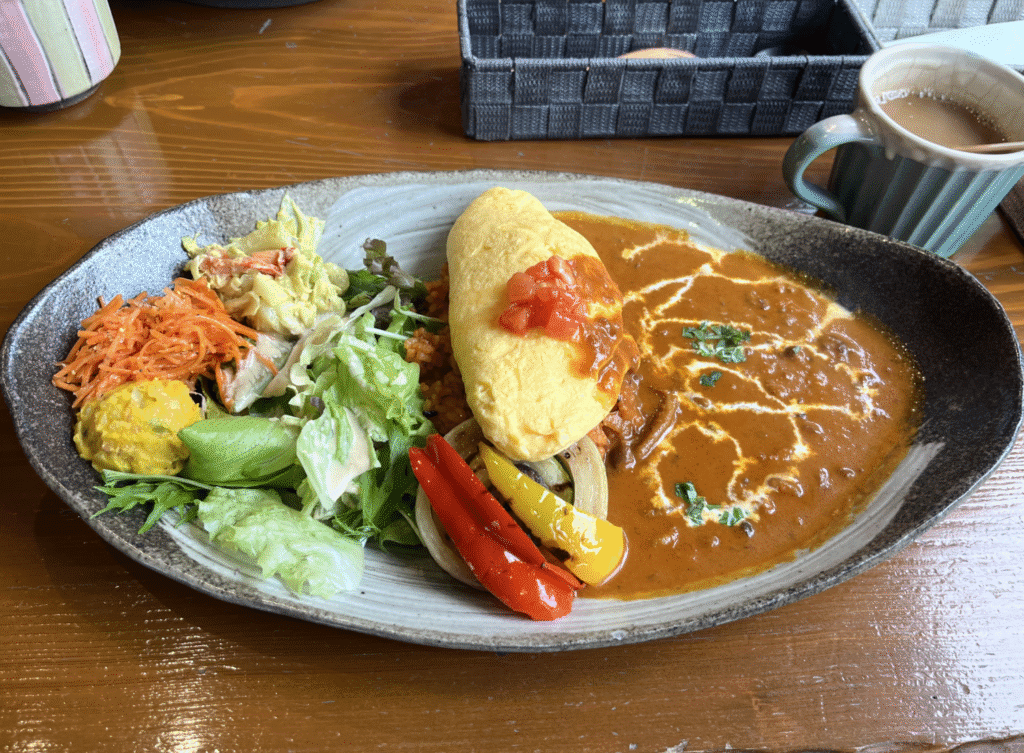
I ordered the “Omucurry”, omurice with tomato cream curry with shrimp and mushrooms. The plate also came with a healthy portion of salad, a kabocha potato salad, what I imagine to be a pesto and curry-flavored pasta salad, and a carrot salad. We are so salad-maxxed here. I also had a few cups of their original blend coffee, courtesy of the drink bar.
We also shared a dessert trio of kabocha tart, cheesecake, and caramel ice cream. It was over-the-top delicious.
The portions here were just insane, so come hungry. I couldn’t even finish my meal, but I was full for the rest of the day.
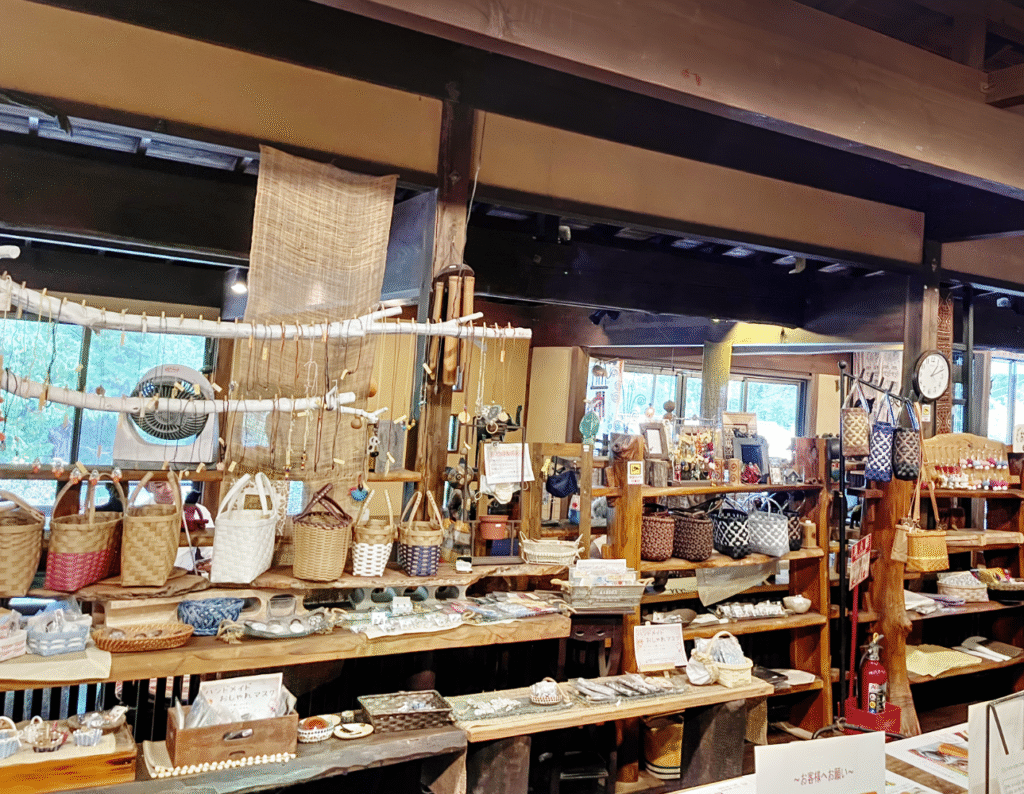
Just be aware that if you’re driving, your map might take you on a little adventure. At first, my map app led us up a strange, small road, so we had to turn around and go up the main road.
But once we got up the hillside, there was plenty of parking and a quiet foresty feeling that reminded me of the redwoods of Northern California.
There were several smaller shops along the path, including Bakery Moripan, that were just opening up as we arrived. We were beckoned into the restaurant and encouraged to remove our shoes and step into slippers.
We stepped up the glossy, natural wood steps to the main restaurant. The host explained that we should order first, then showed us to our seats after we paid.
You can spend 120 minutes just hanging out there, and they have a lovely drink bar. Not to mention, the food came out quickly, piping hot, and ready to eat.
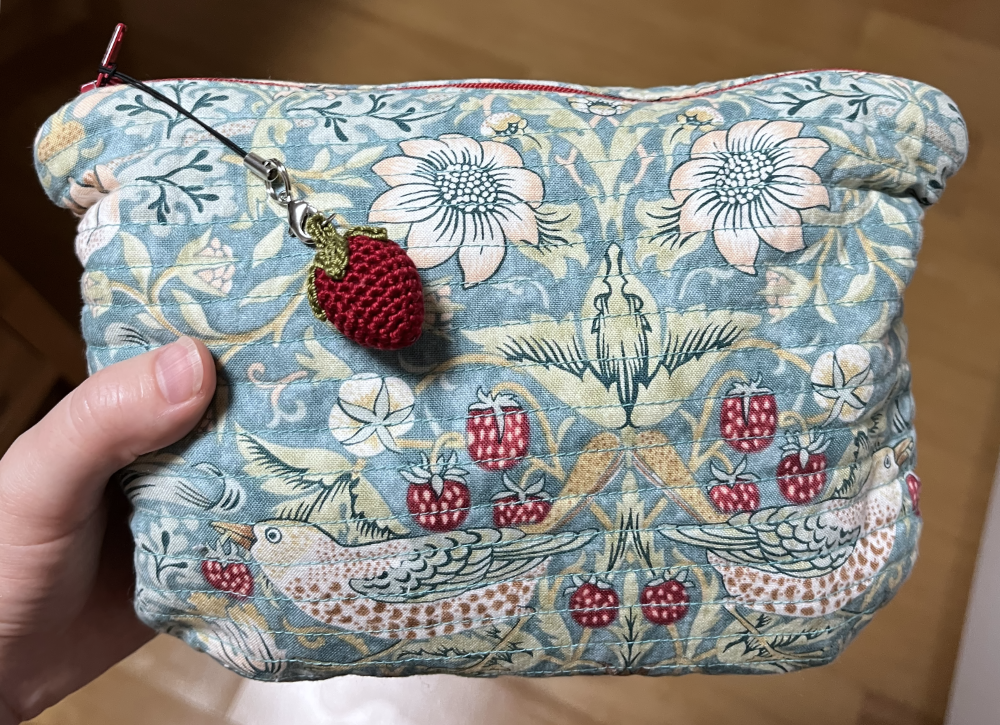
They also have souvenirs like coffee and the cute crocheted strawberry I attached to my makeup pouch.
My Ranking: ⭐️⭐️⭐️⭐️⭐️
2. Bakery Moripan パン工房森パン
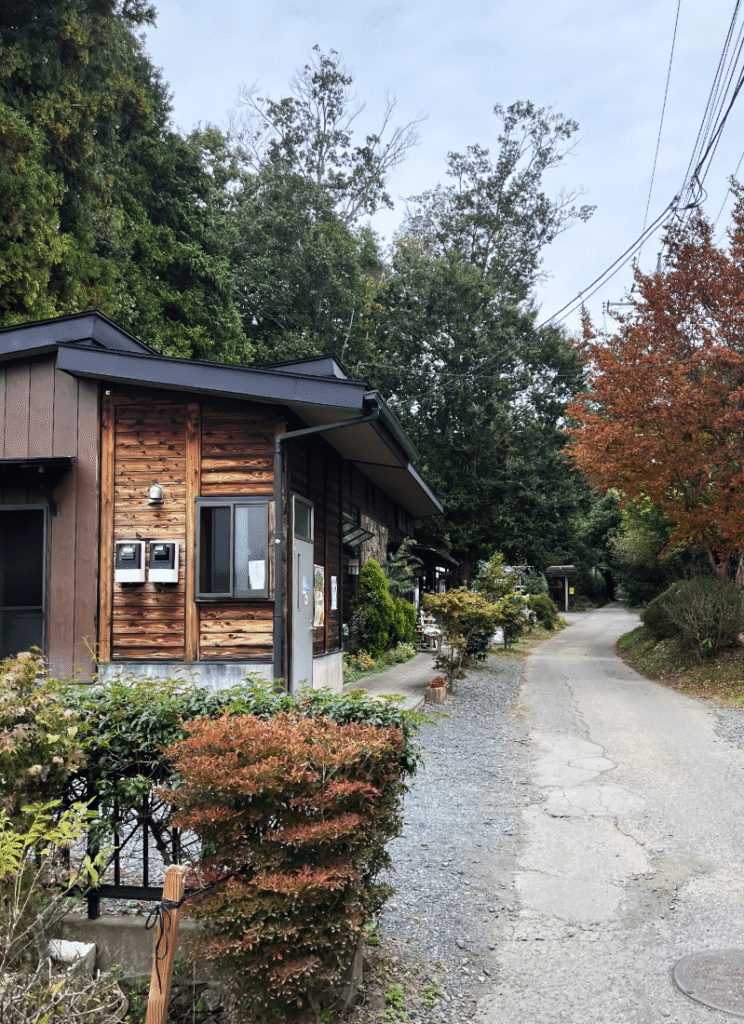
Moripan is a bakery with a stellar saleswoman. Though we would’ve stopped in anyway, she beckoned us in heartily, despite our foreign appearance.
There were samples of bread, and she walked us through several types, which I was happy to ask more about. She sold me on their signature moripan bread (森パン), literally “forest bread”, which was filled with dried fruits and a maple swirl, and topped with nuts. It was awesome.
I also picked up a lemon panettone because I can’t help myself when it comes to panettone, and a shokupan bread, which she offered to slice into 4 or 5 slices. I went with 5. It was so buttery and fluffy, and would go so well with some goat cheese.
My favorites had to be the shokupan and moripan. The panettone was fine, but missed the mark a little.
Beware, if you step in here, you’re guaranteed to leave with several loaves of bread.
My Ranking: ⭐️⭐️⭐️⭐️
3. Cheese3 チーズチーズチーズ
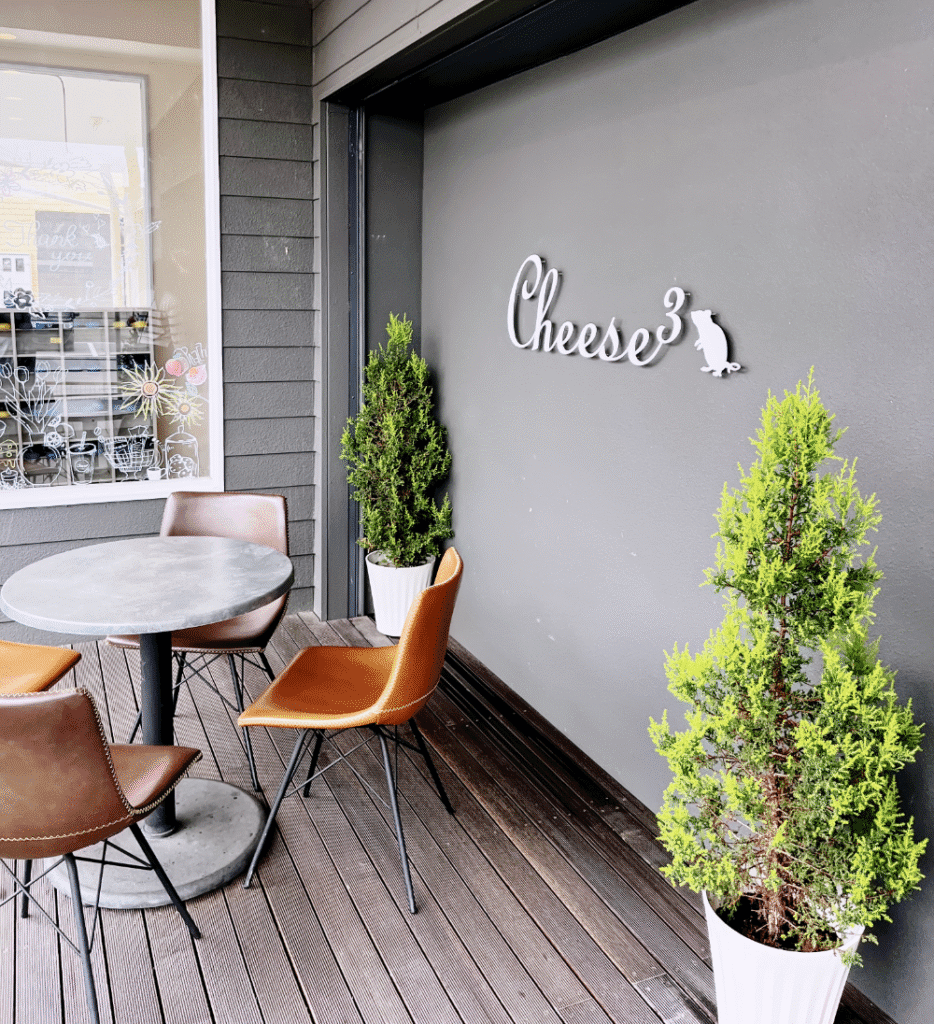
Cheese3 is a teeny, specialty cheesecake patisserie.
Outside, they had a few parking spots and a small seating area. The inside had just enough space for a cold counter and register, where the cakes were aligned. You could also get a frozen cheesecake out of the mini freezer. They even do point cards.
We tried the New York cheesecake, and it got high praise from Ramón. It’s the closest thing we’ve had to “real” cheesecake in Japan, as he put it. It had a very close flavor to the one his grandmother makes.
Though they were a little pricey, sometimes it’s worth it for a taste of home– or just a delicious cheesecake. And patisserie desserts tend to be on the pricier side, no matter how you slice it.
My Ranking: ⭐️⭐️⭐️⭐️⭐️
4. Cocoro 益子焼&カフェ 壺々炉
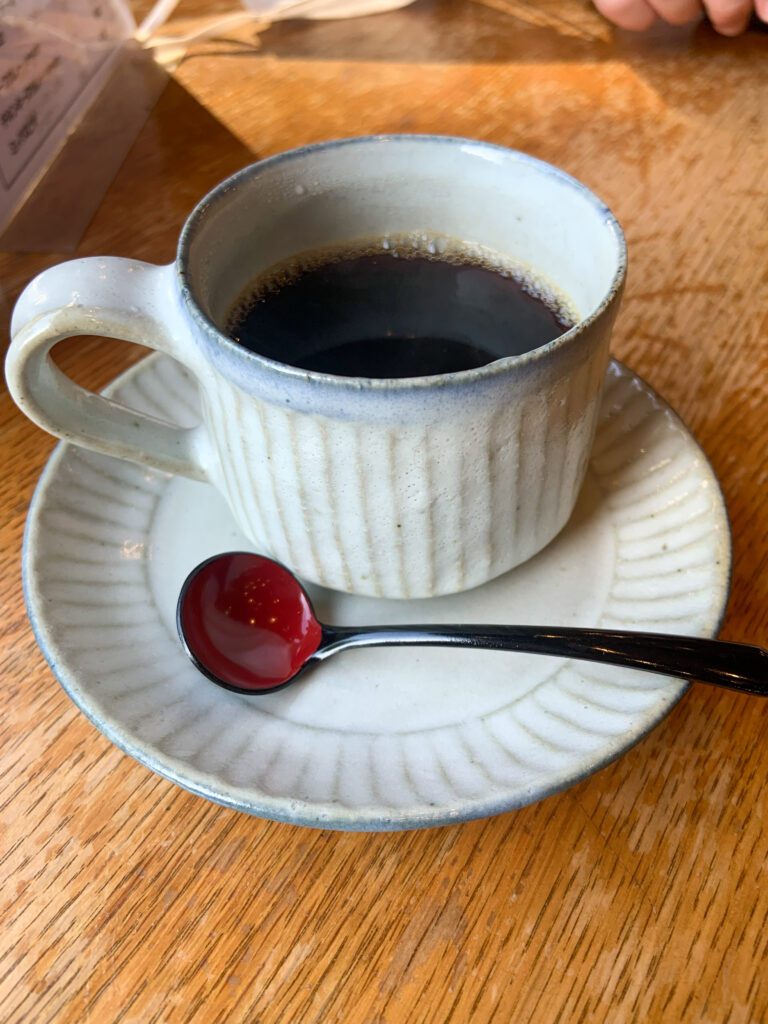
Cocoro cafe sits on the main road where the pottery fair takes place. They serve up coffee, tea, and lunch during the event.
Their main fare is western-style, so pizzas, pastas, and sweets. We stopped there during the pottery fair in 2023 and had some coffee and pizza.
Because they only have a limited amount of food and there are so many people in the area for the fair, they do run out of some menu items quickly. However, the interior was beautiful and the coffee was good. I love how every restaurant in Mashiko uses Mashiko ware pottery.
I’m looking forward to trying them again, outside of peak time.
My Ranking: ⭐️⭐️⭐️⭐️
5. Warabimochi Kamakura 甘味処鎌倉
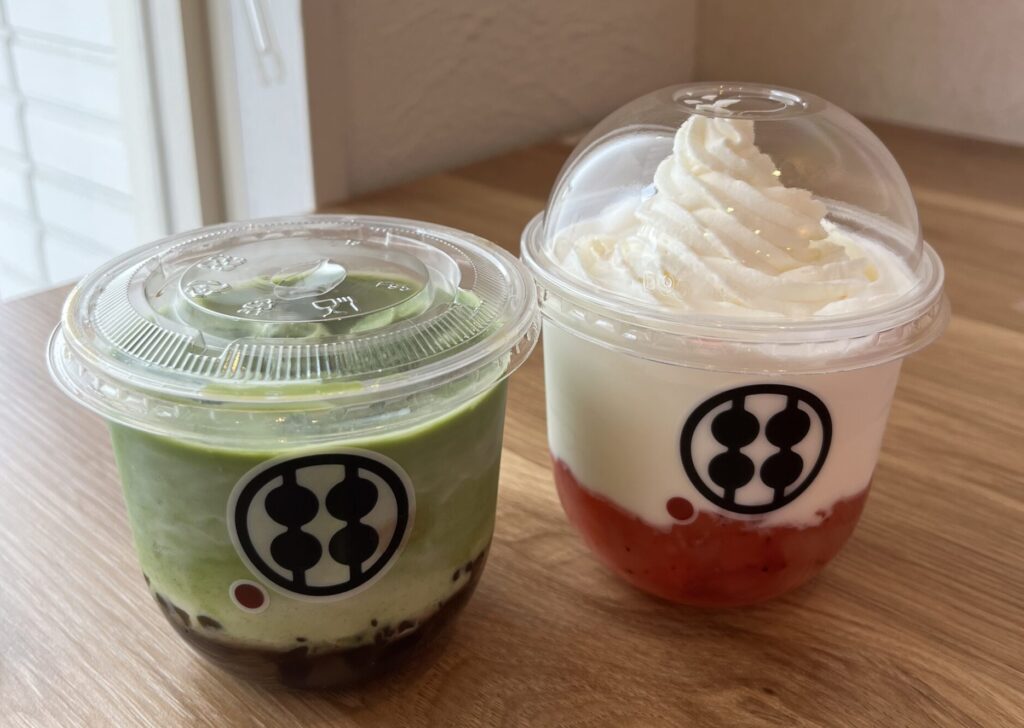
Warabimochi Kamakura is situated just on the corner where you turn into the Pottery Co-op. It’s a modern storefront selling warabimochi, a dessert made of bracken starch and usually topped with kinako (sesame powder) and black sugar syrup.
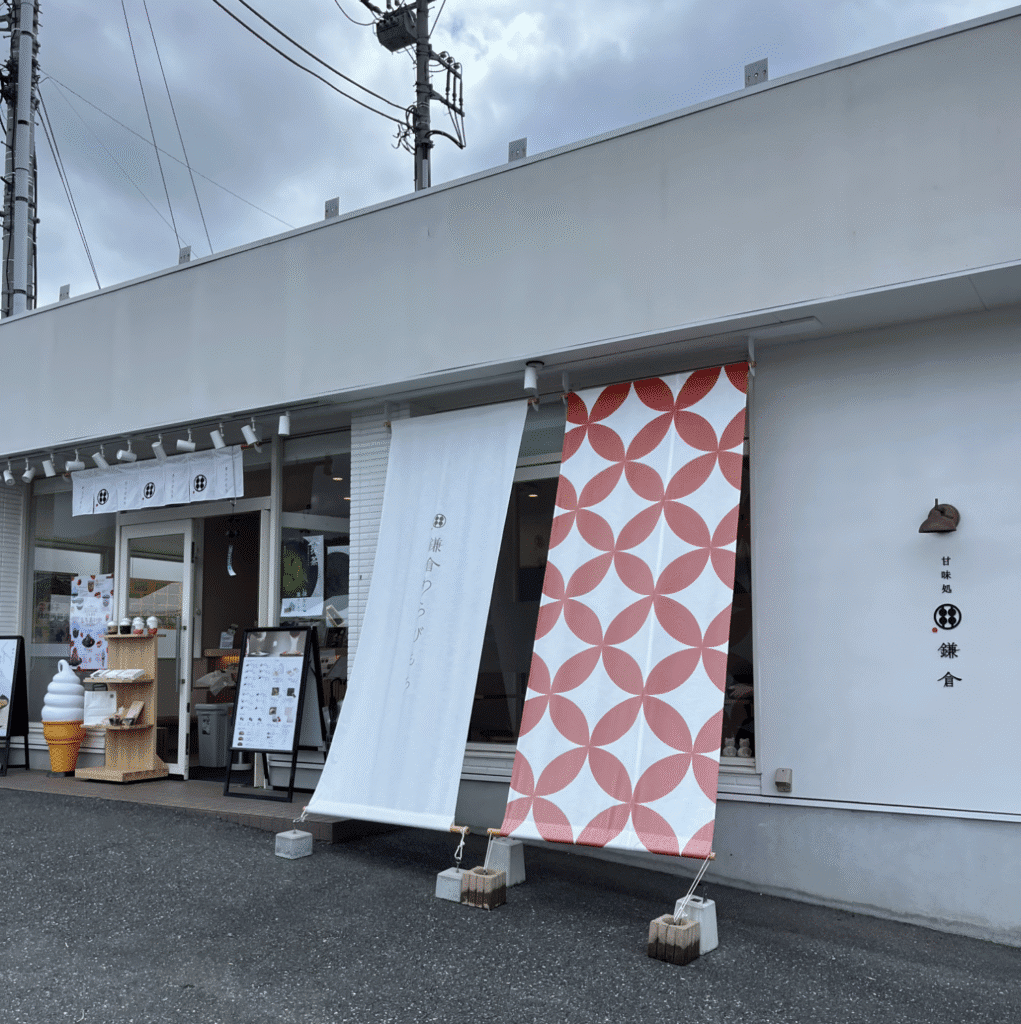
Warabimochi is hands down one of my favorite Japanese desserts. Paired with matcha, it’s downright irresistible. I really enjoyed the flavor of their matcha paired with the sweetness of the sugar syrup and chewy texture of the warabimochi.
The store also sells warabimochi on its own as well as several other drinks and even ice cream. For example, my mom got the strawberry milk, which was creamy and rich with strawberry flavor. It was the perfect pick-me-up for the early afternoon.
My Ranking: ⭐️⭐️⭐️⭐️⭐️
6. Curry Kitchen Yamani カレーキチンyamani
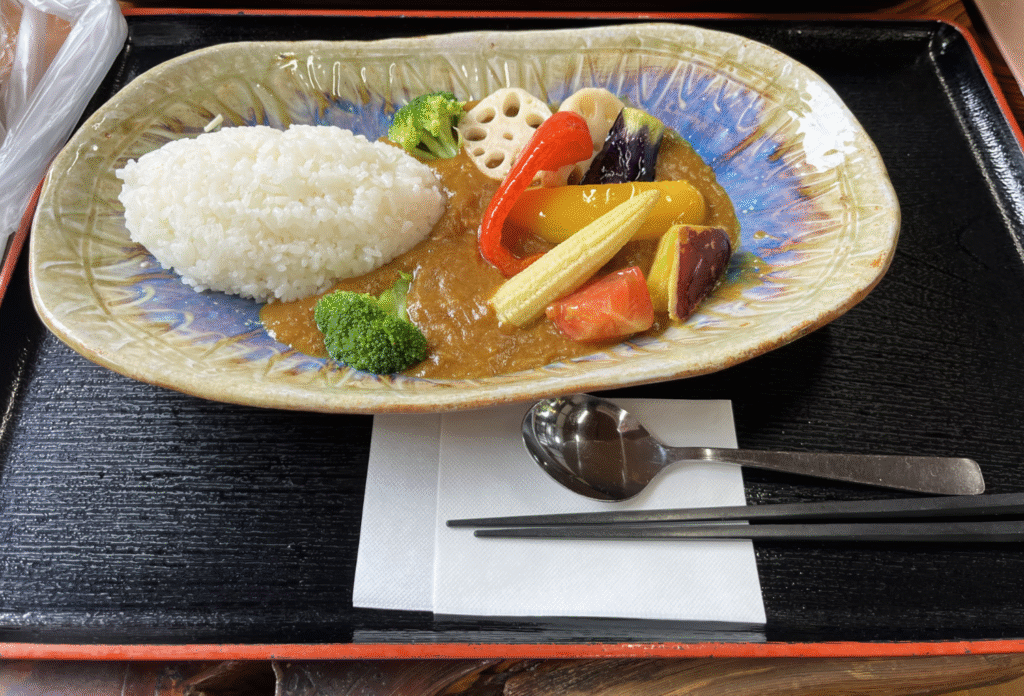
Curry Kitchen Yamani is also located around the corner of the Pottery Co-op. This restaurant is always selling snacks and drinks during the Pottery Fair, and one of their signature foods is Japanese curry.
You sit where you like, and there is a service button to call a waiter. The wait time for the food was a little on the long side, but we were enjoying chatting, so we didn’t mind.
Like Mashiko Chaya, they also serve Japanese classics, like soba, udon, and tempura.
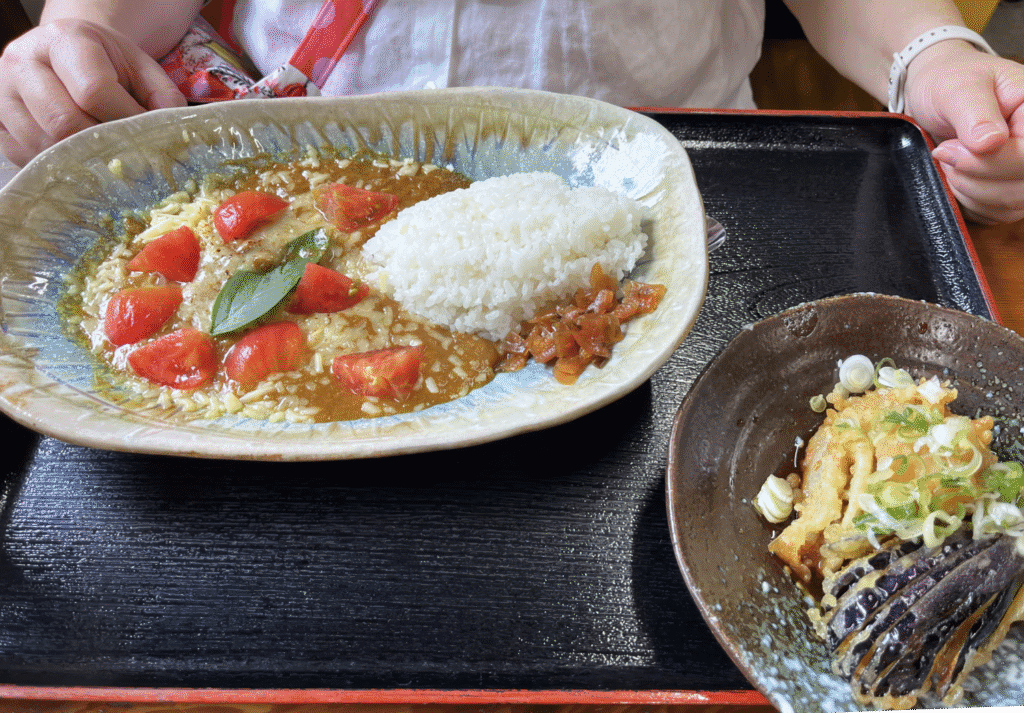
I ordered the vegetable curry, and my mom ordered their tomato curry. We also ordered a fried tempura eggplant with sauce as an appetizer. And these portions were also enormous!
I’m always shocked by the portions in Mashiko. The curry was very tasty, and I couldn’t get enough of the tempura eggplant. I barely finished it, though.
By the way, they give you a little plastic bag to put your plastic and paper waste into (ex. chopsticks, napkins, oshibori), so it can be easily collected at the end.
My Ranking: ⭐️⭐️⭐️⭐️
7. Amano 天野
Amano is a high-end Italian and Teppanyaki restaurant, and it’s also family-run.
We visited to celebrate our anniversary and my birthday, since both are in November. Though we’ve enjoyed teppanyaki in Tokyo, it was amazing to try it more locally.
This was definitely a special occasion destination. We were actually caught off guard by how fancy this place was. As we pulled into the parking lot, the host actually came out to greet us before we had made it out of the car 😳.
Amano’s interior space was decorated in a mix of traditional Japanese style and modern Western hints. Stylish, wide wicker chairs were aligned in front of the grill, which was kept clean and organized.
The chef was charismatic and kind, while his daughter did the prep work and hosting.
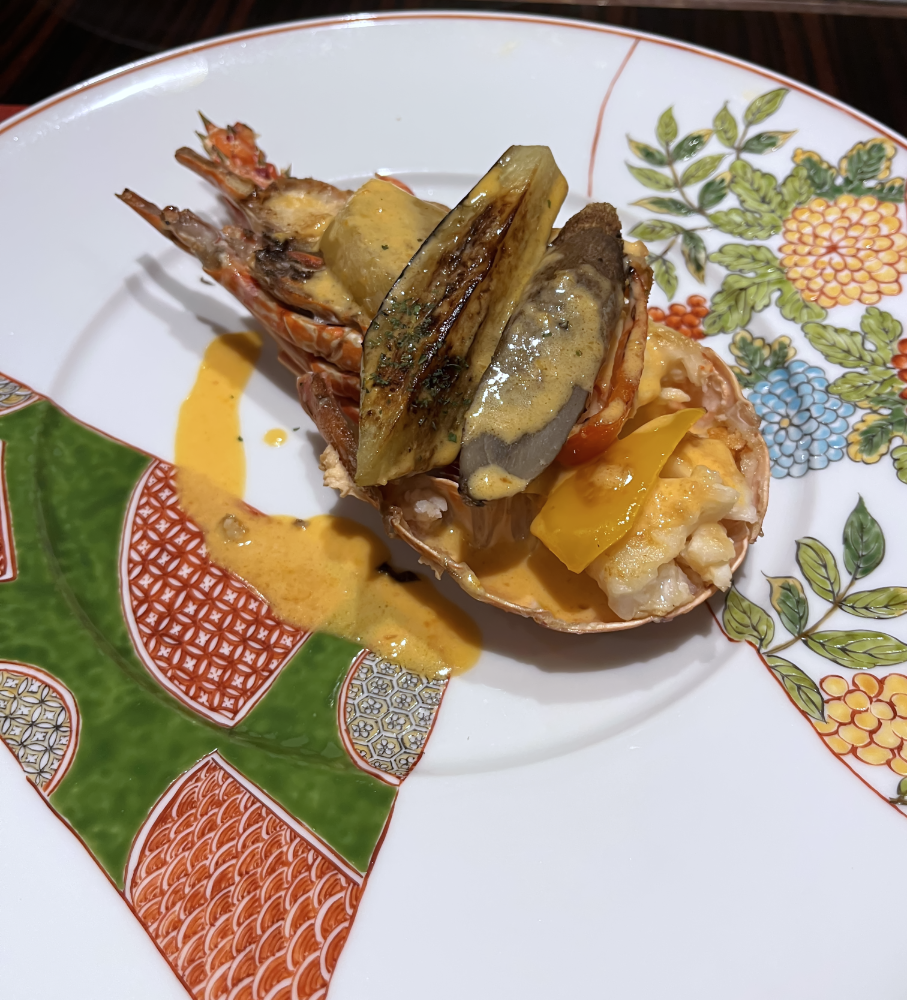
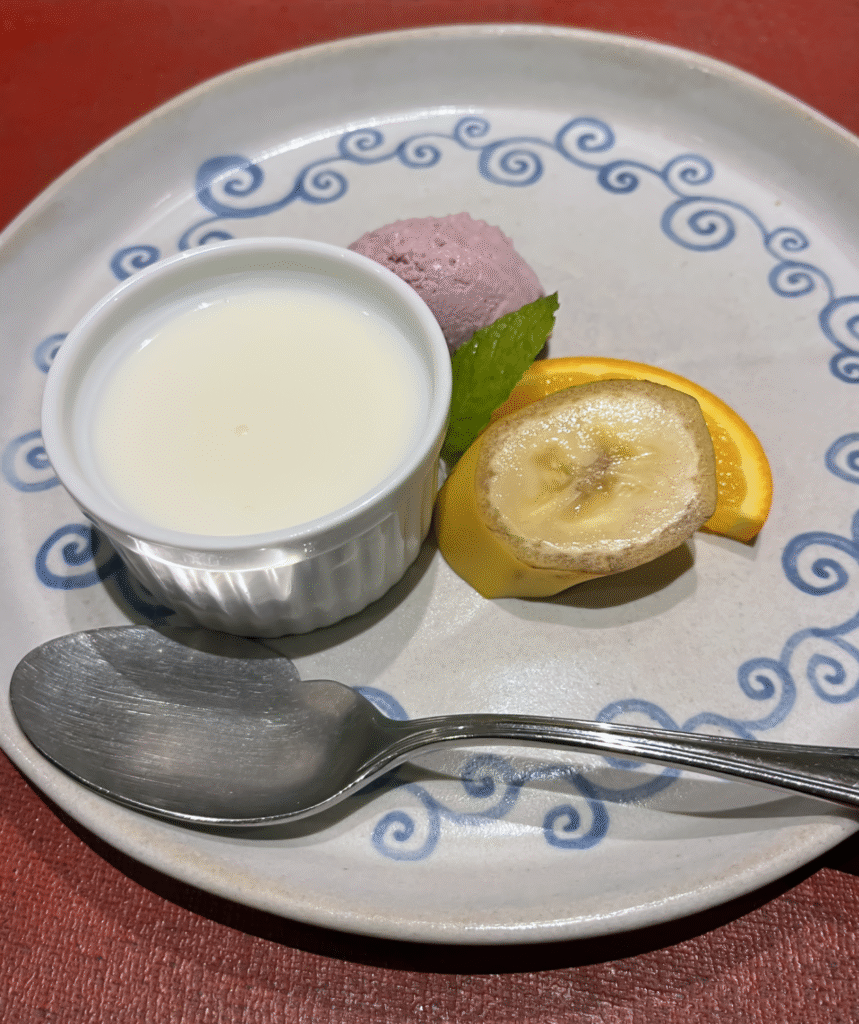
Our menu was omakase, as is common in teppanyaki restaurants, though he did ask if we had any allergies. Ramón reserved the medium-level menu for us as a nice surprise. And each dish was plated on beautiful Mashiko ware.
Typically, for teppanyaki and other high-end restaurants, you get a choice of different price levels, from regular, medium, or high-end. Our dinner ran us ¥8800 per person, plus we added drinks.
This practice, called 松竹梅 (shōchikubai), or literally, “pine bamboo plum”, is common with sake, in restaurants, and for creating pricing tiers. Pine is the highest level, followed by bamboo, then plum. It’s a nice, poetic way of giving you options.
Amano also offers lunch course menus that are much less expensive, but don’t include the teppanyaki grill experience. By the way, teppanyaki in Japan is not as expressive as that in the US, but you do get to chat with the chef and experience a high caliber of cuisine.
We had 7 courses:
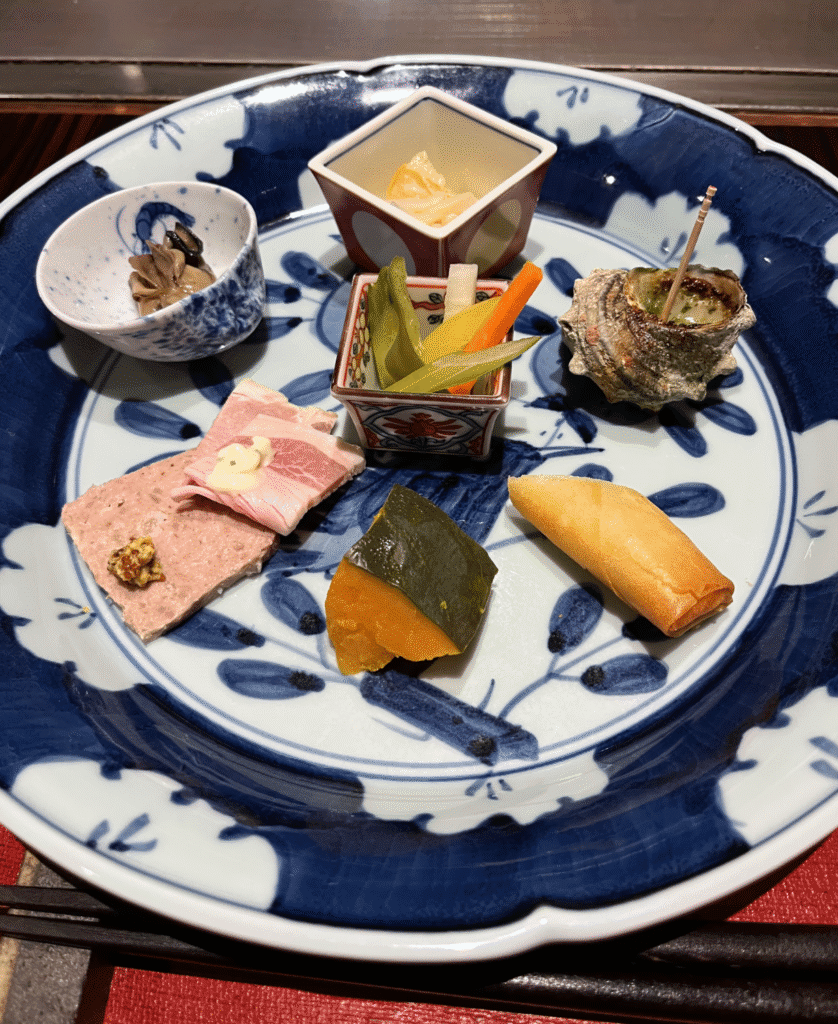
An appetizer round featuring pickled veggies, a soy-marinated oyster, pork terrine and cured ham, orange-flavored simmered kabocha, a white cream sauce-filled spring roll, and a pesto conch.
Fish with fried risotto. I’ll be honest, I didn’t catch what type of fish this was, but it was fatty and rich. The fried risotto had a cream sauce in the middle which was very delicious.
Lobster with vegetables, and topped with a creamy sauce. This was awesome. The chef cooked it on the flat top, steaming it with cooking wine.
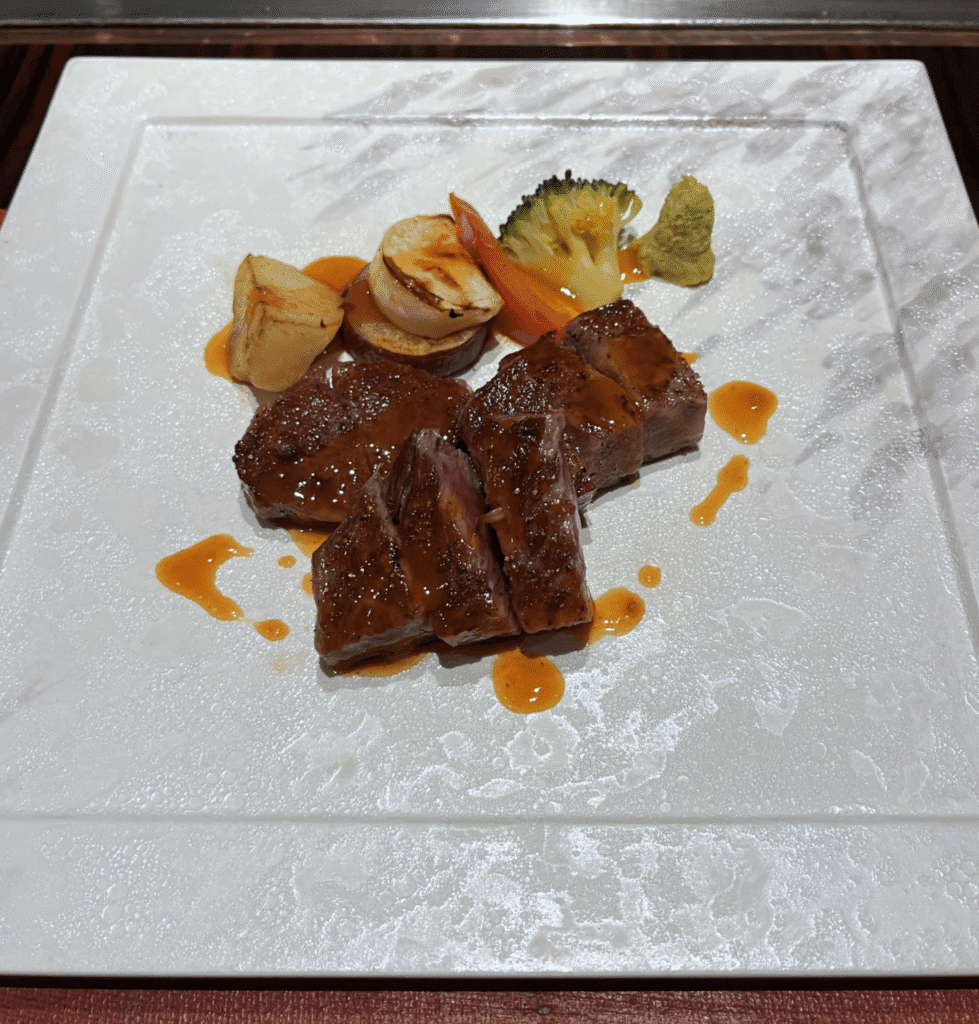
Then the crown jewel: approximately A4 wagyu ribeye (ロース) from Kagoshima with fresh vegetables. This was fantastic. We had him cook it to his recommended doneness. However, you can ask for whichever level you want.
…And the eponymous garlic fried rice. We took leftovers of this one home.
We finished with a dessert of lemon panacotta and non-alcoholic wine ice cream, which was interesting.
And finally, our choice of coffee or tea. Everything was to die for, but my favorites were, of course, the steak, which was completely melt-in-your-mouth delicious, and the lobster, which was perfectly cooked and topped with a yummy sauce. I also enjoyed the use of fresh, seasonal vegetables, all of which are grown locally.
If you’re looking for a fairly priced, high-end dining experience, Amano is a winner. They also change their menu as the seasons do, so if you have allergies or concerns, be sure to ask in advance. Also, it’s fair to say that the teppanyaki experience will be better if you speak Japanese.
My Ranking: ⭐️⭐️⭐️⭐️⭐️
8. Tonkatsu Yoshikawa とんかつ吉川
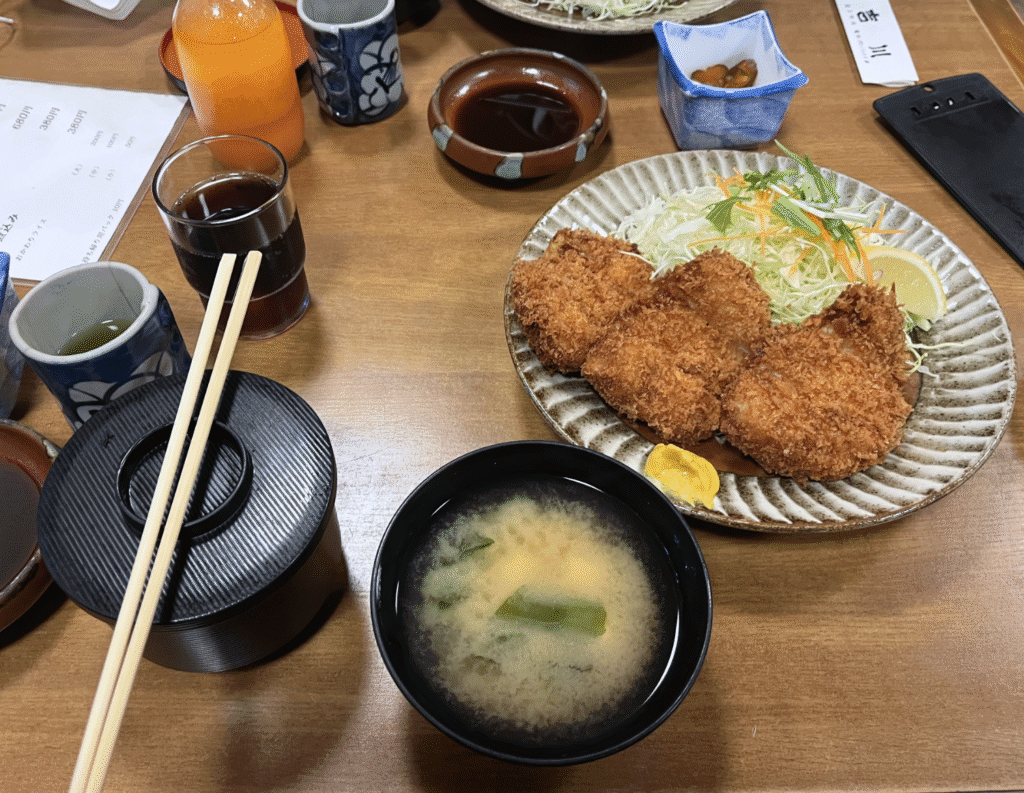
Recommended to me by a coworker, Tonkatsu Yoshikawa is a highly rated tonkatsu spot in Mashiko.
It’s along the same road as Amano, but their prices are much more affordable for a normal dinner out.
The interior felt traditionally Japanese and cozy. We ordered the fattier “loin” cut (ロース) and “fillet”, aka tenderloin cut (ヒレ), and I was impressed. Their portions are generous, the panko crust was crispy, and the pork was tender and juicy.
The miso soup and pickles tasted standard in a good way, and they make their carrot and onion salad dressing in-house.
Since we often visit Tonkatsu Sugita in Asakusa, we wanted to see if this was a good match, and I would say it was a similar level of deliciousness, though I enjoy Sugita’s theatricality more.
My Ranking: ⭐️⭐️⭐️⭐️
9. Mashiko’s Michi-no-Eki 益子の道の駅
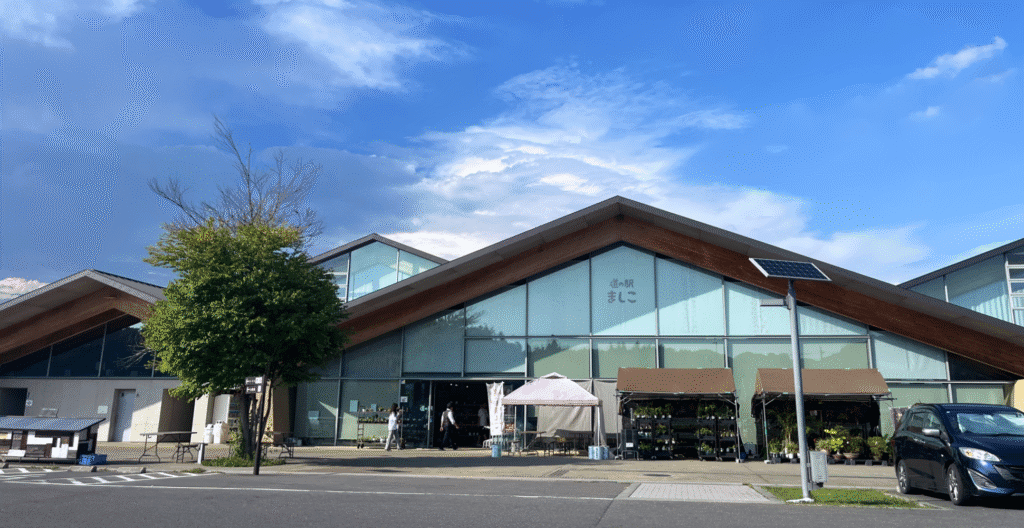
Okay, this isn’t a restaurant per se, but hear me out. Mashiko’s Michi-no-Eki serves up some of the best produce and culinary souvenirs. It’s a great roadside stop for trying locally grown produce and specialty jams, the special miso-like paste “hishio”, and all kinds of pickled and prepared vegetables.
Also, Mashiko’s Michi-no-Eki was recently renewed. It has a really gorgeous new building, and a large parking lot – though it can and does get full!
Michi-no-Eki are essentially roadside stations that often have attractions, like freshly farmed fruit and vegetables, local foods and souvenirs, and sometimes famous restaurants or cafes. I’ve heard that Motegi’s Michi-no-Eki is famous for yuzu salt ramen, for example.
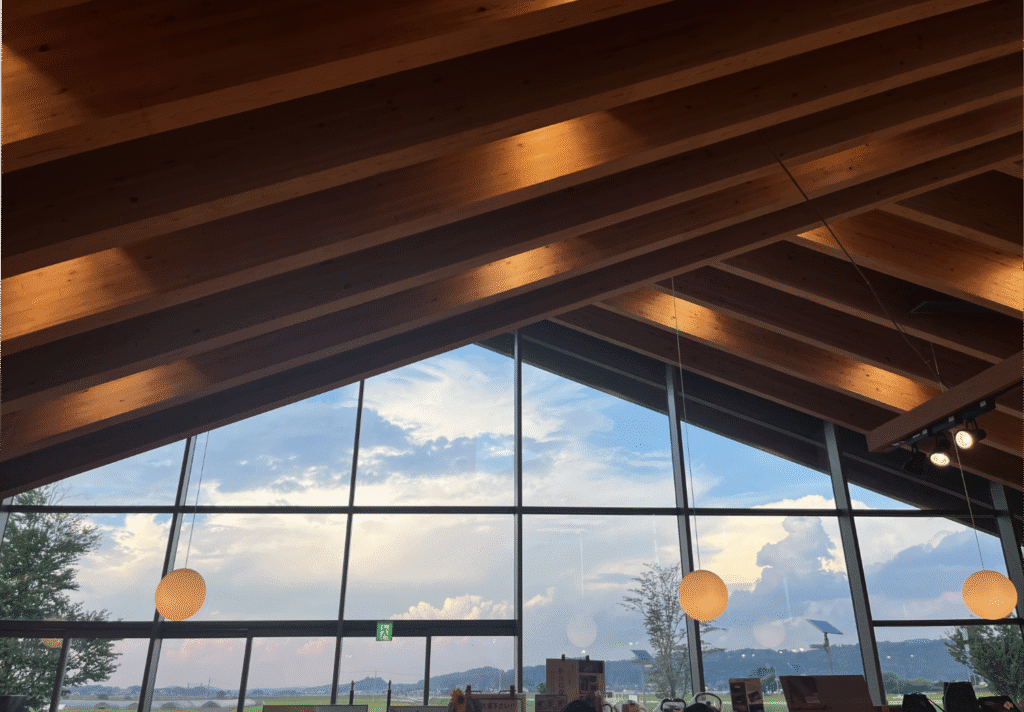
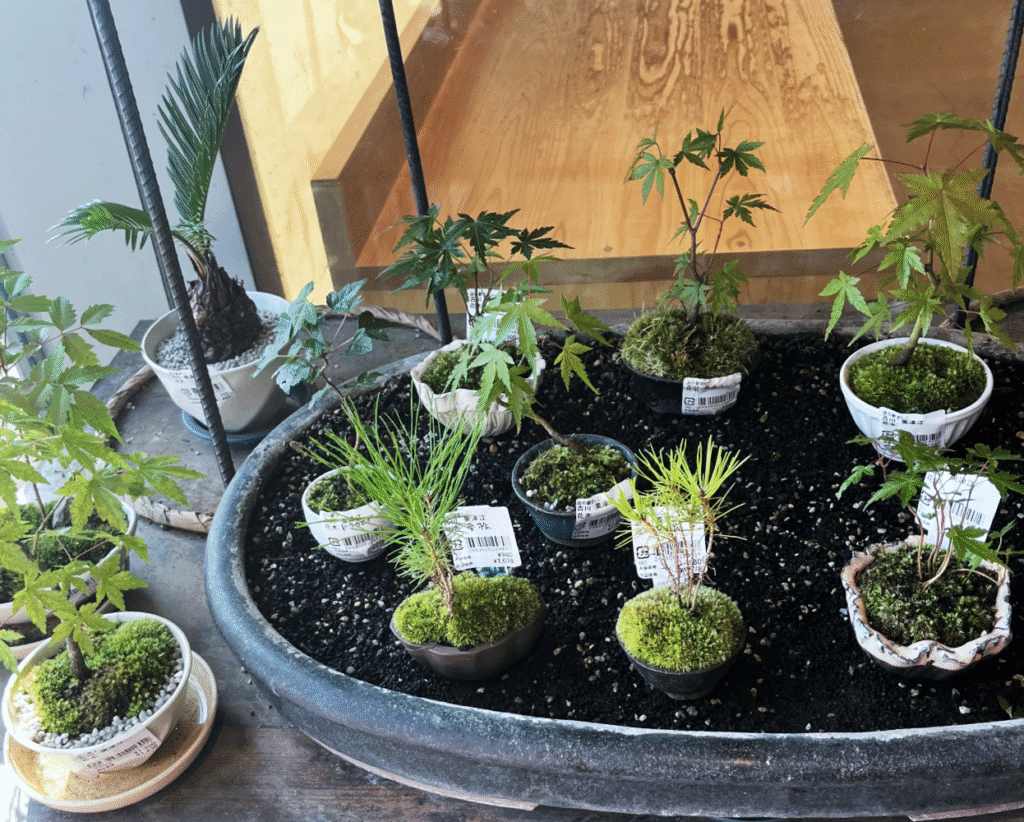
I was instantly captivated upon entry, not only by the stylish architecture of Mashiko’s Michi-no-Eki, but by the adorable bonsai available for sale. They had some beautiful bonsai that I was really tempted by. I restrained myself, however, since I would probably end up killing it.
They also had all the normal fixings, like fresh eggs, locally grown produce at a reasonable price, new ginger, and even romanesco broccoli.
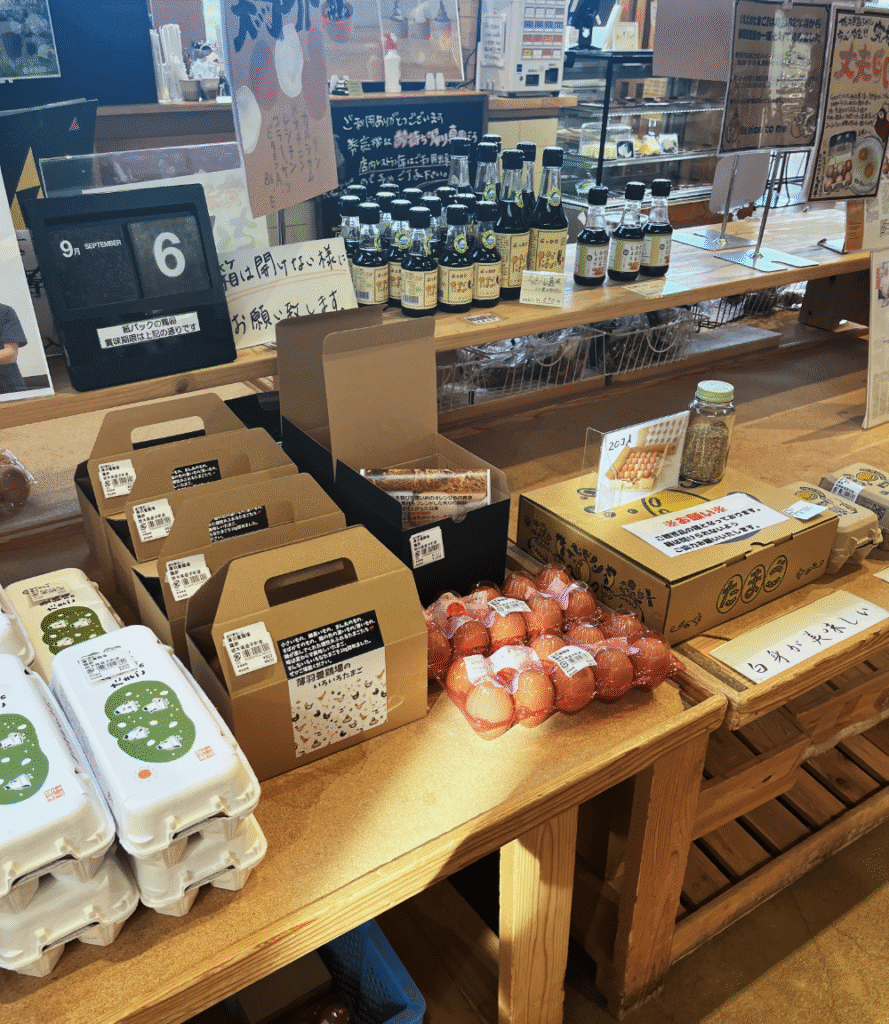
This Michi-no-Eki also had a section for Mashiko souvenirs, like hand-made goods, crochet doodads, knitwear, and a selection of pottery.
Ironically, some of my favorite Mashiko ware pottery is made by a Korean artist, Kim Yong Man. If you don’t have time to get out to some other pottery venues, try checking out the Michi-no-Eki!
My Ranking: ⭐️⭐️⭐️⭐️⭐️
Sidenote
As an aside, in 2025, I would say that a normal meal out in Japan will be around ¥800-¥1100.
A slightly more upscale place will usually be between ¥1200-¥1600.
For lunches, ¥1700-¥3000 is fancy.
For dinners, spending between ¥4000-¥10,000 for a course meal or yakiniku is common for special occasions.
Anything higher is just for adding special options, like higher-grade beef or fish, all-you-can-drink, or extras like gold flake and truffles. Lol.
More to do in Mashiko
Pottery Fair
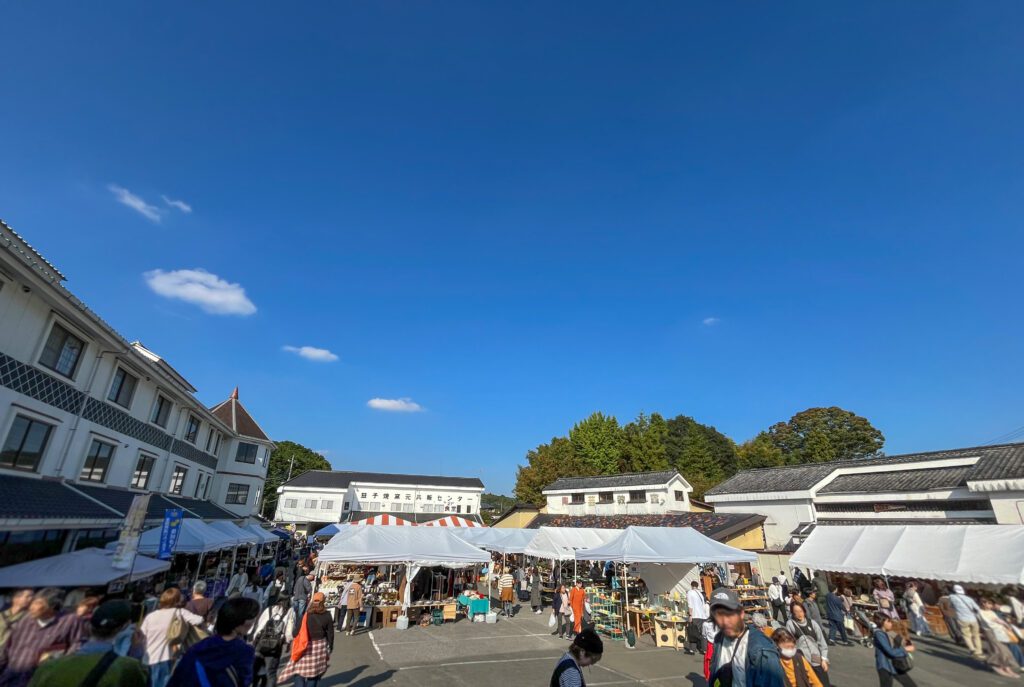
I go into more detail about Mashiko’s Pottery Fair in my miniblog. We’ve visited a couple of times now, and it’s held twice a year.
Artisans from Mashiko show off a variety of handmade goods, and street vendors sell snacks and drinks along the main street.
Even if you don’t make it to the fair, you can visit the Pottery Co-op and many stores along its main street in the off-season.
Sunflower Festival

Mashiko’s Sunflower Festival takes place during the second week of August, when sunflowers are at their best and brightest.
Truthfully, I was totally bummed out that I missed this event! I saw it as I was driving by the Michi-no-Eki. Bright yellow sunflowers beckoned under the bright blue sky filled with picture-perfect clouds.
It was so picturesque, and despite the hot weather, cars were lined up to park. People walked their dogs with their friends and families, admiring the flowers and taking photos.
I unfortunately had an appointment to get to, or I would’ve stopped. But next year, I won’t be missing this.
Thoughts
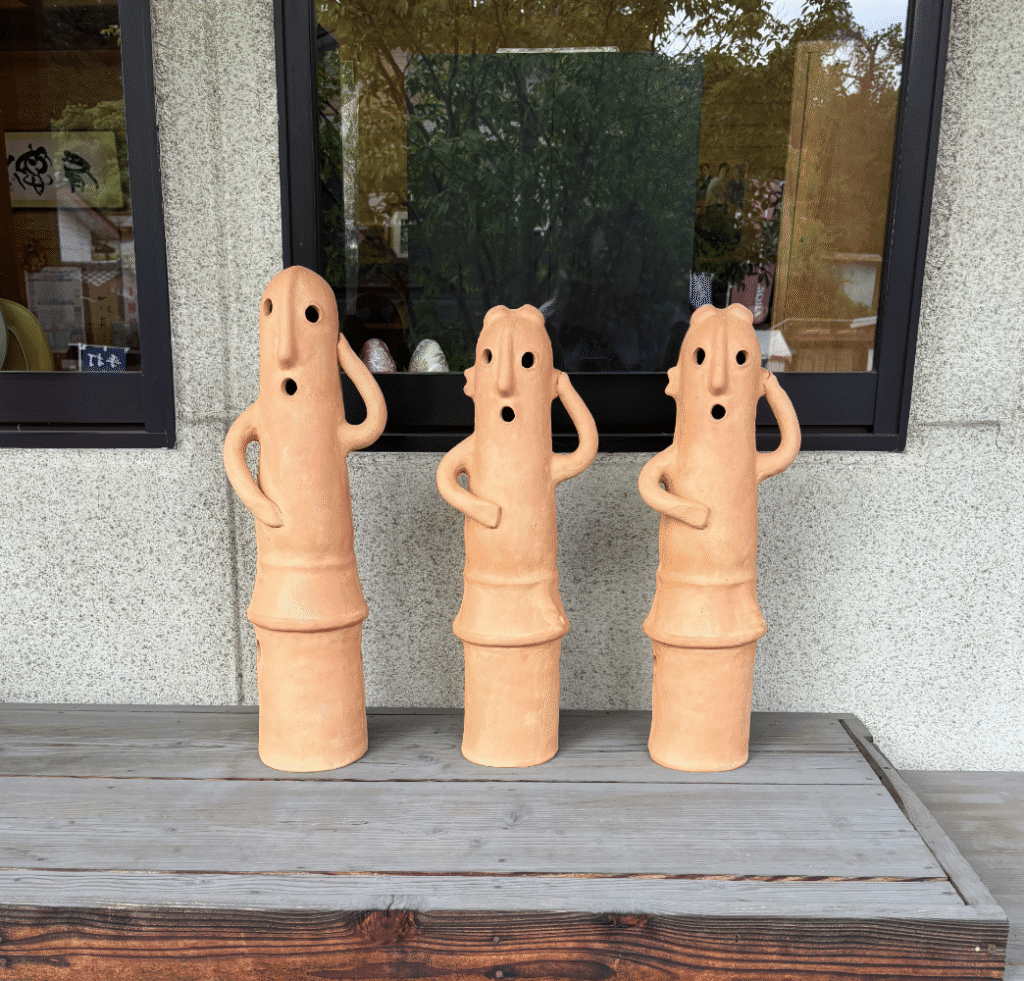
I have been continuously impressed by the quality of food and beverages in Mashiko.
At first, I thought its main draw was its pottery, which is a huge source of tourism, but there is a whole hidden world of high-end restaurants, cafes, bakeries, and more. Mashiko is a great destination for both Japanese and foreign tourists looking for a little retreat from the hustle and bustle of daily life.
Plus, the cafes and restaurants use Mashiko ware in their operations, giving the whole area a sense of unified charm. As an artist, it fills me with joy to see so much care and importance given to the arts.
If you’re looking for a place to visit on the lesser-known side of Japan, give Mashiko a try. And if you’re looking for more to do in Tochigi, check out my Top 7 Things to do in Nikko and Kinugawa.
Oh, and if you want to know more about food in Japan, check out my other food-related blogs. See you next time.